

List of Protected Trees NSW: What Property Owners Need to Know
Bob and Ben - The Tree Men
If you’ve ever tried to book tree removal or pruning on your property only to be told you need council approval first, you’re not alone. Many homeowners in New South Wales discover that a tree they assumed was “just another gum tree” is actually a tree species protected under state or local rules. This happens often in places like the Sutherland Shire, where streets and backyards in suburbs such as Cronulla, Caringbah, Sutherland, Gymea, Miranda, Engadine and Menai are filled with mature natives.
Maybe a large Angophora is lifting your retaining wall, a leaning Spotted Gum is worrying you during storms, or you’ve moved into a new home and want to remove a tree to redesign the yard. Before any work goes ahead, you need to know whether that tree is allowed to be trimmed or removed, or whether it sits on the list of protected tree species that require local council consent.
This guide explains the list of protected trees in NSW, how different protections work, why some species are protected, and what you need to check before you remove a tree on private land. It also touches on the Significant Tree Register and how local councils handle applications, so you know exactly where to start.
What Trees Are Protected in NSW?
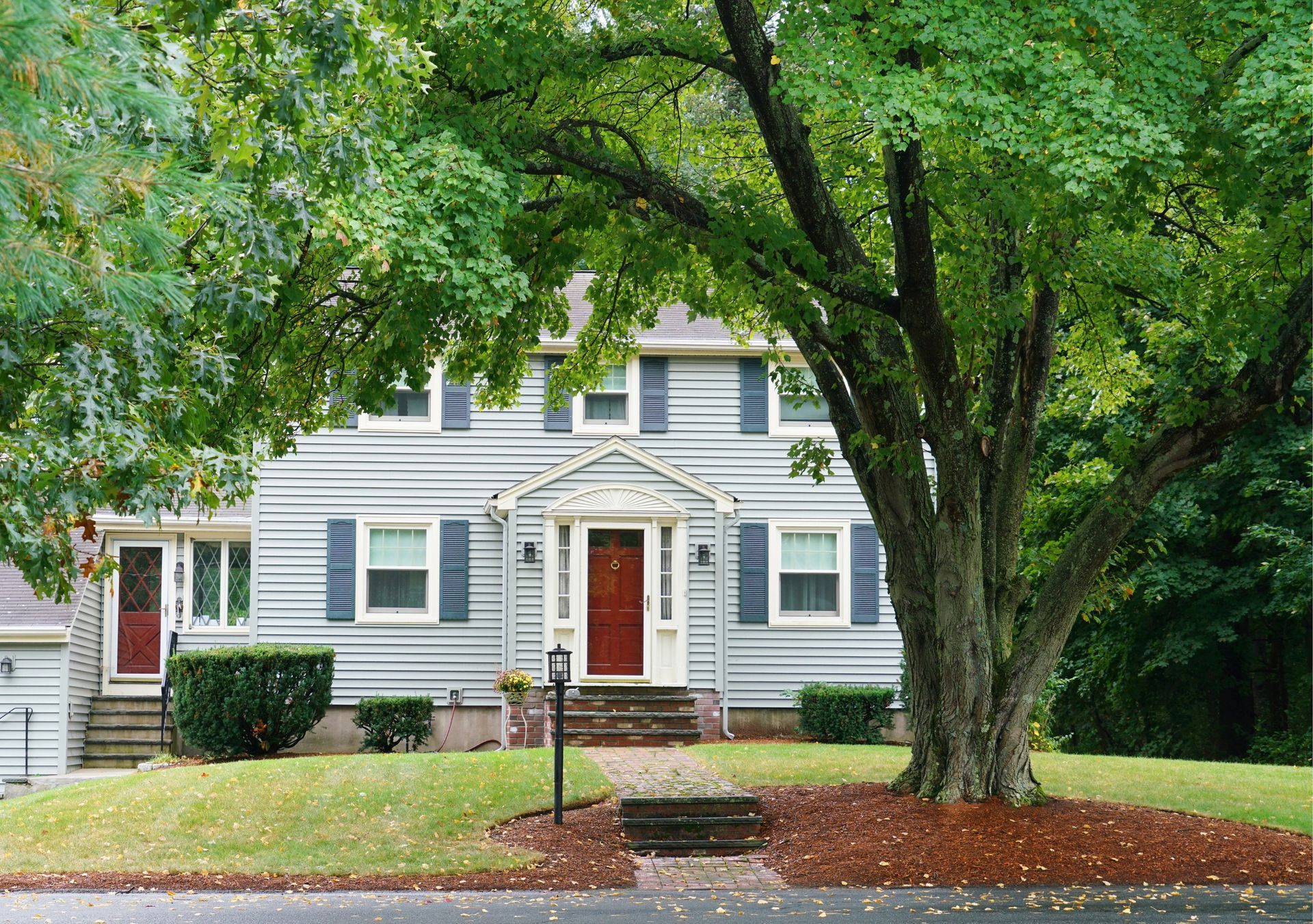
A protected tree is any tree that cannot be removed, pruned heavily or damaged without approval from your local council or a relevant state authority. Protection may come from:
- State legislation
- Local Council Tree Preservation Orders
- Heritage listings
- Ecological community classifications
- The NSW Significant Tree Register
In many parts of the Sutherland Shire, protected tree species appear across both residential and bushland areas, so property owners should always check local rules before arranging any tree works. If you’re unsure whether you can remove a tree legally, speaking with a local arborist can give you clear guidance on what applies to your property and how to approach the job safely.
What Trees Are Not Allowed to Be Cut Down in NSW?
The full list of protected tree species is maintained by NSW Government agencies, but the following species frequently appear under protection across the state. Many also occur throughout the Sutherland Shire, Royal National Park and surrounding districts, where tree removal rules set by your local council play a major role in what can and cannot be cut down.
Common examples include:
- Coastal Cypress Pine (Callitris columellaris)
- Blue Gum High Forest
- Sydney Turpentine-Ironbark Forest
- Spotted Gum (Corymbia maculata)
- Blackthorn (Bursaria spinosa)
- Caley’s Ironbark (Eucalyptus caleyi)
- Eumungerie Ironbark (Eucalyptus multicaulis)
- Grey Myrtle (Backhousia myrtifolia)
- Red Bloodwood (Corymbia gummifera)
- Smooth-barked Apple (Angophora costata)
- River Oak (Casuarina cunninghamiana)
- Grey Box (Eucalyptus moluccana)
- White Mahogany (Eucalyptus acmenoides)
- Forest Red Gum (Eucalyptus tereticornis)
- Swamp Oak (Casuarina glauca)
- Australian Red Cedar (Toona ciliata)
This is not an exhaustive list. NSW also protects entire ecological communities, which means many species in those environments gain automatic protection.
For the full government-issued list, check the Department of Planning, Housing and Infrastructure website.
Local Protections in Sutherland Shire
Sutherland Shire Council regulates how trees on private land can be pruned or removed. Most mature trees fall under these rules unless they appear on the exempt species list. Approval is usually required before any major work is done, and exemptions are only granted in specific situations.
Local protection may apply if a tree is:
- Over a defined trunk diameter
- Within a heritage conservation area
- Located in mapped bushland or a protected vegetation zone
- Considered significant after assessment by council officers
Some introduced species may also require approval, particularly if they are part of the heritage landscape or stand within a protected zone.
Because many suburbs sit close to bushland, waterways and bushfire-prone areas, tree controls in the Shire tend to be more detailed than in some other LGAs. Homeowners should always refer to Council guidelines or lodge an enquiry before carrying out work on mature vegetation.
The Significant Tree Register NSW
The Significant Tree Register is a statewide record of trees with notable cultural, environmental, scientific or historical value. It is managed by the NSW Government and provides legal protection to any tree added to the register.
Key points about the register:
- Anyone can nominate a tree for assessment.
- Experts review each nomination based on age, rarity, cultural value, size, habitat importance and local significance.
- Trees that meet the criteria are formally listed and protected under the NSW Heritage Act 1977.
- The register includes more than 5,000 trees across NSW.
- The list is updated as new trees are added or older trees decline.
- The government has stated: “We’re accepting nominations for new trees to be added to our register of significant trees.”
This process is especially relevant in Sutherland Shire, which contains many old native species, including Angophoras, Blackbutts and Bloodwoods that may qualify for nomination due to age or local heritage value. Visit the Significant Tree Register.
Penalties for Unapproved Tree Removal in NSW
Tree removal in NSW is tightly regulated, and the consequences for getting it wrong can be severe. Under the Environmental Planning and Assessment Act 1979, most protected or significant trees cannot be touched without consent, and the responsibility falls on the property owner to confirm whether approval is needed. Even if a tree looks unsafe, diseased or inconvenient, it may still fall under a Tree Preservation Order, which is why checking before you act is crucial.
If you remove a protected tree without a permit from your local council, you may face:
- Fines up to $110,000 in the Local Court
- Penalties up to $1.1 million in the Land and Environment Court
- Orders to replant the tree, replace multiple trees or fund bushland restoration
- Legal and investigation costs, which can escalate quickly
It’s important to note that while some exemptions exist, such as when a tree poses an immediate risk to life or property, a permit may still be required after the fact, and councils expect supporting evidence from an arborist. Local councils use Tree Preservation Orders to protect specific species, mature vegetation and trees with environmental or heritage value, so even a tree that appears unremarkable might still be regulated.
Unprotected trees can sometimes be removed without approval if they meet certain size or species criteria, but relying on guesswork can lead to unexpected penalties. The permit process can take several weeks, often up to two months, so planning ahead is essential if you have upcoming landscaping or renovation works.
Councils in and around the Sutherland Shire take illegal tree work seriously, and prosecutions are not uncommon. When in doubt, get clear advice before pruning or removing anything substantial.
What Trees Can Be Cut Down Without Permission in NSW?
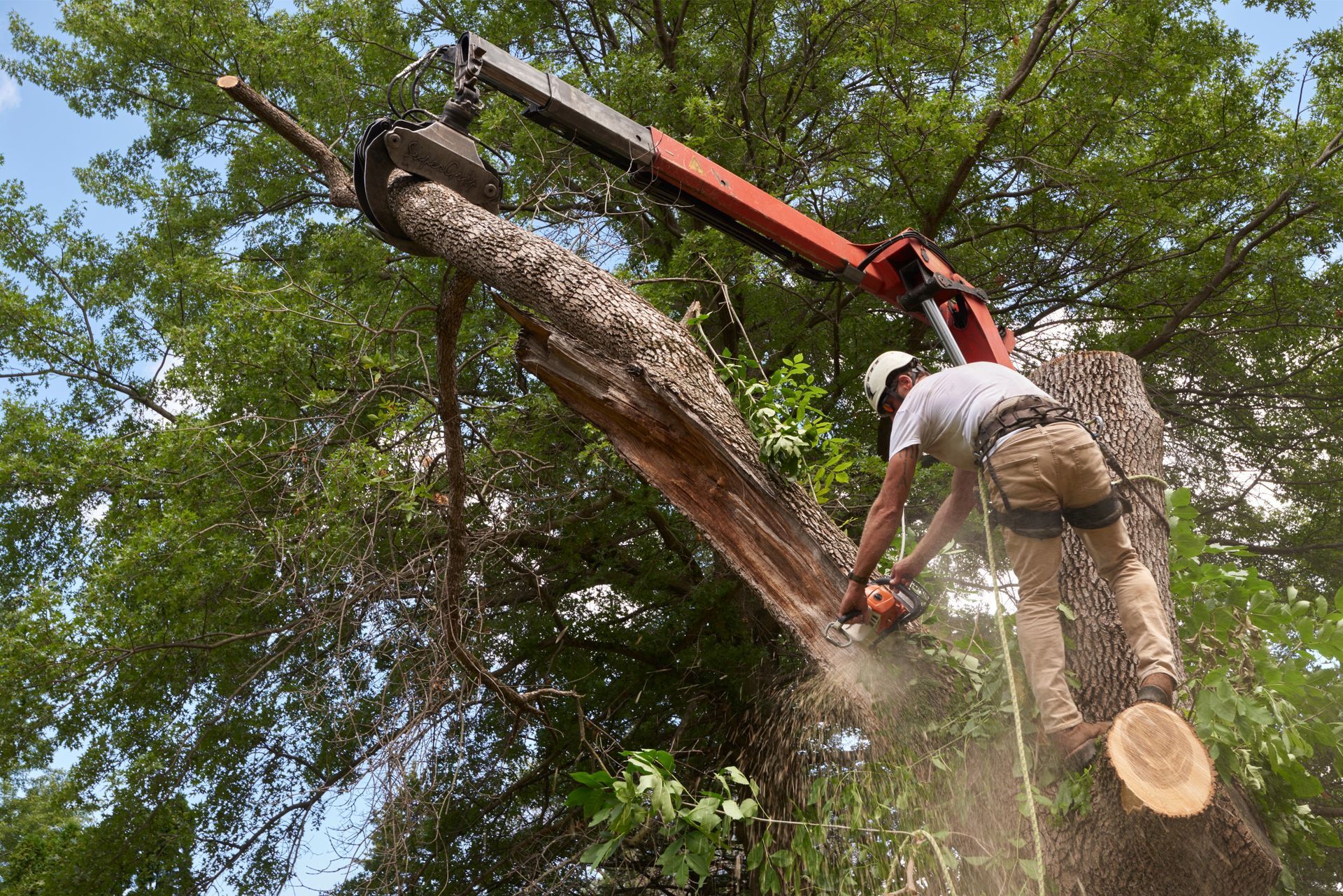
Although most mature trees are protected, there are situations where tree removal is allowed without approval.
You may not need permission if the tree is:
1. Dead
Dead trees have no ecological value and may be removed.
2. An Immediate Safety Risk
If the tree poses a clear danger to life or property, emergency tree removal is usually allowed.
3. Causing Damage to Essential Services
Trees damaging sewerage lines, stormwater systems or power infrastructure can typically be removed.
4. Classified as an Invasive Weed
Species listed as weeds under NSW legislation are not protected.
5. Removed Under the 10/50 Bushfire Clearing Rule
If your property is in a mapped bushfire-prone zone, you may clear or thin vegetation within set distances, provided you follow the scheme’s strict conditions.
Note: Each of these categories has criteria, and councils may still request proof, so it’s wise to document the tree’s condition before conducting tree removal.
Can You Cut Down Trees on Your Property in NSW?
You can cut down a tree on your property only if it is not protected and you have council approval, unless an exemption applies. In the Sutherland Shire, this usually means lodging a tree work application with council, often supported by an arborist report.
Every LGA has its own rules, but most decisions are guided by:
- Tree Preservation Orders
- Local Environment Plans
- Bushfire assessments
- Heritage listings
Always check with your council first, because cutting down a protected species can bring significant penalties even if you didn’t know the tree was protected.
When to Call a Professional Arborist
If you’re unsure whether your tree work requires a council permit, or you’re worried about whether certain trees protected under NSW regulations might be involved, a professional arborist can save you a lot of trouble. Many homeowners assume they can go ahead with cutting trees on their property, only to discover later that specific trees or different tree species have unique rules attached to them. An experienced arborist understands how local government applies tree protection laws, which is crucial when assessing whether a tree can be trimmed or whether tree removal is allowed.
A qualified arborist can identify whether you’re dealing with trees protected for their age, size, habitat value or botanical importance, and they can advise on the correct process for removing significant trees if approval is required. They also understand how various councils classify and manage different tree species, making it far easier for homeowners to avoid fines or delays.
If you’re planning to remove a tree, carrying out major pruning, or trying to work out whether a council permit is needed, calling a local arborist is one of the safest steps you can take. They can guide you through compliance, help prepare documentation and give you clear advice on what work is allowed under current local government rules.
Takeaway
Knowing which trees sit on the protected list in NSW gives property owners far more confidence when planning any tree care or tree removal. In areas like the Sutherland Shire, where older native species are woven into local streetscapes and bushland pockets, it’s easy to overlook how many of them fall under NSW tree removal laws. A quick check of state rules and your local council requirements can save you from costly penalties and help you choose the right approach before you touch a branch.
For property owners in the Sutherland Shire who need reliable advice or safe tree removal, Bob & Ben The Tree Men have been the area’s trusted specialists for more than 25 years. Get in touch with our friendly team for a free quote.
Over 25 years ago, Bob and Ben planted the seeds of what would become one of the most popular and trusted tree service businesses in the Sutherland Shire.
Get your FREE tree lopping quote today!
Let Bob and Ben The Tree Men get to the root of all your tree problems. Contact us today to receive your personalised quote.