

Can You Remove Grass Trees From Private Property?
Bob and Ben - The Tree Men
Planning to remove a grass tree from your private property? Can you remove grass trees from private property? Whether it's for safety reasons, landscaping purposes, development, or other needs, it's crucial to consider legal requirements and the ecological impact of such actions. In this blog, we'll explore if removing a grass tree from private property is allowed. We'll delve into the guidelines and considerations surrounding its removal so you can make a decision that is compliant with the laws and aligns with environmental sustainability and your property's needs.
Are grass trees protected?
Native Vegetation
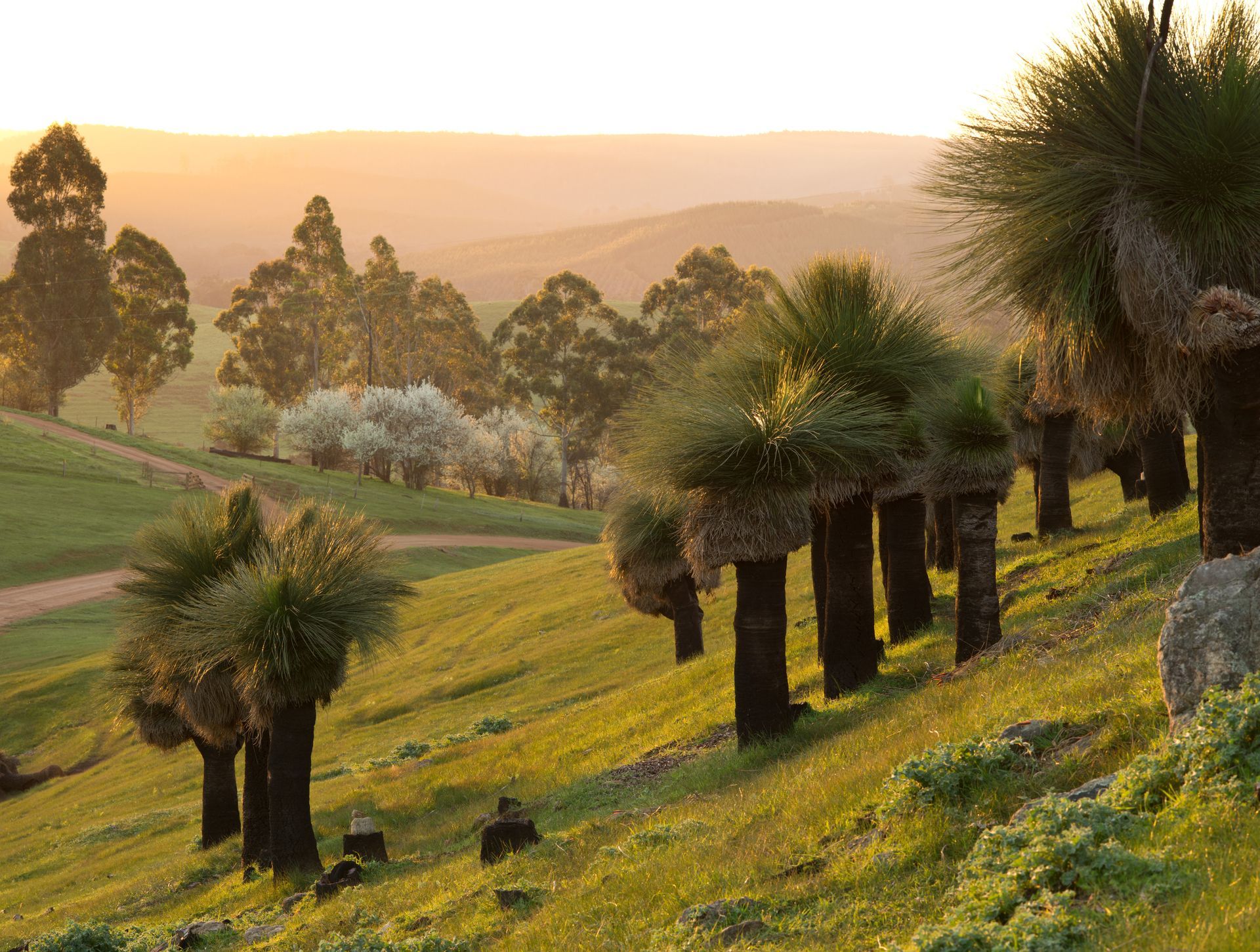
Grass trees, also known as Xanthorrhoea, are unique and iconic plants that form part of Australia's native vegetation. They belong to the family Xanthorrhoeaceae and are characterised by their distinctive appearance and growth habit. With their long, slender leaves and often intricate flowering spikes, grass trees stand out as both aesthetically intriguing and ecologically important components of the Australian flora.
Legal Protections
Under the Biodiversity Conservation Act 2016 and related state legislation, grass trees — as native vegetation — are included in the list of protected plants (Plant parts used in the cut-flower industry). They are part of the threatened species and ecological communities that may receive various levels of protection, including habitat protection, restrictions on clearing or disturbance, and conservation management plans. Their removal is regulated under these protections, and their ecological significance and cultural importance are key reasons why they are so frequently afforded protected status across the country.
Penalties for Illegal Removal
As such, it is against the law to harvest or clear any native vegetation that is protected without obtaining a permit or falling under an exemption. Illegal removal of grass trees can result in significant penalties, which can exceed $100,000 in Australia, with maximum fines varying from state to state and ranging anywhere from $2,000 to $50,000 depending on the jurisdiction. Not only does this help protect biodiversity but it also emphasises the importance of preserving the natural environment, whether on private or public land. Understanding whether can you remove grass trees from private property starts with knowing just how protected they are under Australian law.
What are the guidelines to consider if you want to remove a grass tree in your private property?
Can you remove grass trees from your private property? As a general rule, you will need a permit to remove grass trees from private property in Australia, and in many cases this requirement extends to all native vegetation including trees, shrubs, herbs, and grasses. In Australia, removing trees requires following proper guidelines to minimise environmental impact and promote responsible landscaping practices. Here are some general guidelines to consider:
Check local regulations
Before taking any action, it's crucial to check first with your local council or relevant department whether a permit is necessary to confirm compliance with regulations regarding tree removal. A key question many property owners ask is: can you remove grass trees from private property without council approval? The short answer is, usually not.
Local councils can apply stricter rules than state laws, so contacting your council directly is the most reliable way to determine the specific requirements based on your location. If trees are categorised as endangered or protected in your region, removing them may subject you to an offence and severe penalties.
It is important to note that rules can vary significantly depending on the extent of the work being proposed and the state or territory you are in. For example, in New South Wales (NSW), where grass trees may be protected under the Biodiversity Conservation Act, understanding the legal requirements is essential. Residents in bushfire-prone areas of NSW may be familiar with the 10/50 rule, which permits clearing of trees within 10 metres of a house without a permit. However, this exemption does not automatically apply to all protected native species, so checking with your local council beforehand is still strongly recommended.
It's also worth knowing that certain exemptions may apply in specific circumstances. You may not need a permit for grass trees that are already dead or have fallen naturally, though verification is often still required for native species. Similarly, if a grass tree poses an imminent danger to life or property, emergency removal may be permitted, but this typically requires verification by a qualified arborist.
ACT Tree Register
Neighboring territories like the Australian Capital Territory (ACT) also have resources such as the ACT tree register, which specifically lists trees of exceptional value, including those with high heritage, landscape, or scientific significance. It's a crucial resource for identifying and protecting trees on both public land and private land.
When a tree is nominated, it becomes provisionally registered for a maximum of one year while the application is being reviewed. It then receives the same protections as a fully registered tree. This means that any activities that could potentially harm a tree on site, including major pruning, is subject to approval. Once the tree is approved, it becomes registered and falls under protection, along with provisionally registered trees. It is worth checking whether the tree you wish to prune or remove is listed on any register or schedule of protected trees before proceeding.
Assess environmental impact
Some trees that are considered native vegetation play a big role in keeping the environment balanced and healthy. When asking can you remove grass trees from private property, assessing the environmental impact of doing so is just as important as understanding the legal side. That's why it's crucial to know exactly whether the grass tree you're taking out is native to the area.
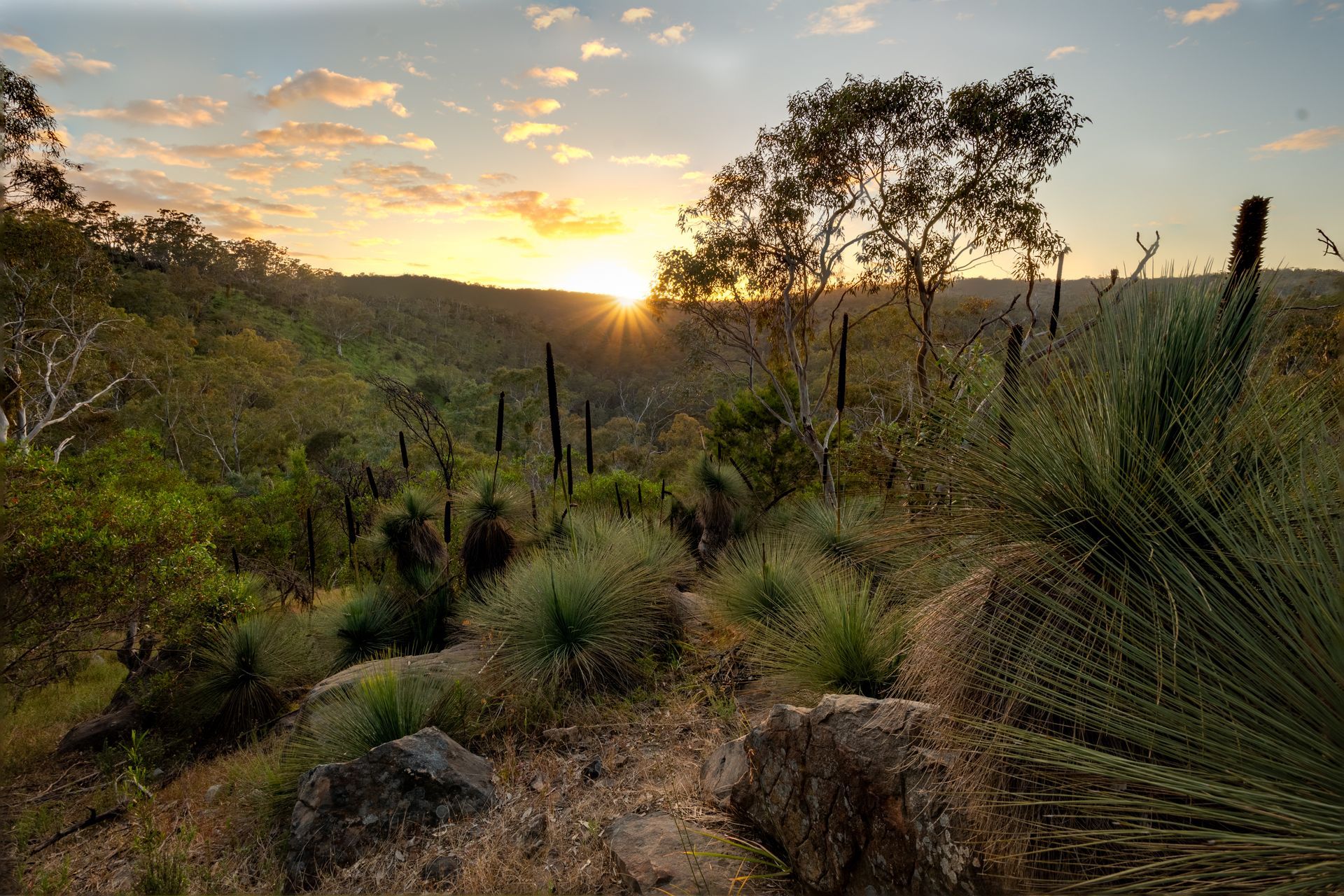
It's also worth considering that mature grass trees are slow-growing and valuable, potentially worth over $1,000, which further underscores the importance of exploring all alternatives before proceeding with removal. This is especially relevant where grass trees are present on properties earmarked for development, as clearing for development purposes is among the most common reasons removal is sought.
Where vegetation loss is unavoidable, local planning schemes may also require it to be offset with net gains or replanting elsewhere. Finding out when to remove a tree is key to making informed decisions that preserve the ecological integrity of the environment.
Consider heritage value
In Australia, grass trees are very important to Aboriginal people due to their high heritage value. They are not only part of the native vegetation but they also carry cultural significance, which represents a deep connection to the land for Indigenous communities. This highlights how important it is to respect and understand the cultural significance of a grass tree when making decisions related to tree removal.
Prepare a tree management plan
When considering the removal of a grass tree, it may be necessary to have a comprehensive tree management plan in place. This plan helps outline the best course of action while considering factors such as environmental impact, safety, and property aesthetics. Engaging a Certified Level 5 Arborist can be particularly valuable here, as they are qualified to develop a detailed management plan covering the health, safety assessment, and potential relocation of grass trees. You can seek assistance from a tree removal specialist to develop a tailored tree management plan that not only addresses your specific needs but is also carried out in accordance with all relevant regulations and guidelines.
Consult with professionals
If you are uncertain about the best course of action or still have questions about whether you can remove grass trees from your private property, consider consulting a trusted tree arborist who can provide expert advice regarding native vegetation. Professional tree removal services can assess the condition of a tree and determine whether it poses a danger, while also helping you navigate permit requirements and avoid costly fines. They can offer insights on the tree's health and structural integrity, as well as assess whether removal, pruning, or alternative solutions may be more suitable.
Takeaway
Grass trees are considered part of the native vegetation in Australia, which means that they play a crucial role in maintaining the ecological balance of the environment and supporting local biodiversity. Therefore, removing grass trees from private property requires careful consideration of legal regulations, environmental impact, and conservation efforts.
At Bob & Ben The Tree Men, we offer high-quality tree services including tree removal. Our skilled arborists will carry out the work responsibly and in compliance with all regulations. If you need to remove a grass tree from your property, you can trust us to handle the process with care and expertise. Contact us today to get a free quote.
Over 25 years ago, Bob and Ben planted the seeds of what would become one of the most popular and trusted tree service businesses in the Sutherland Shire.
Get your FREE tree lopping quote today!
Let Bob and Ben The Tree Men get to the root of all your tree problems. Contact us today to receive your personalised quote.